










EPISODE 86 OF WHAT WOULD THEY DO? THE CUSTOMER EXPERIENCE PODCAST FOR SMALL BUSINESS OWNERS
NOTE: Some of the tools and resources mentioned in these shownotes could be affiliate links. That means when you click the link to create an account, start a free trial or make a purchase, it won’t cost you any more but I may receive a commission for introducing you. One thing I want to stress is that I would never recommend anything or anyone I haven’t successfully worked with myself or trust unconditionally.
If you’ve ever found yourself posting on Instagram, hearing crickets, questioning your entire social media strategy and then disappearing for the next few weeks, this episode is for you.
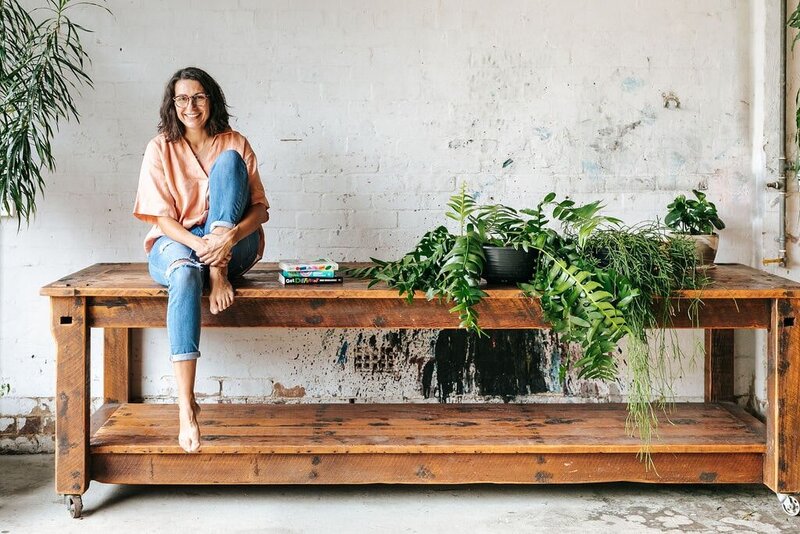
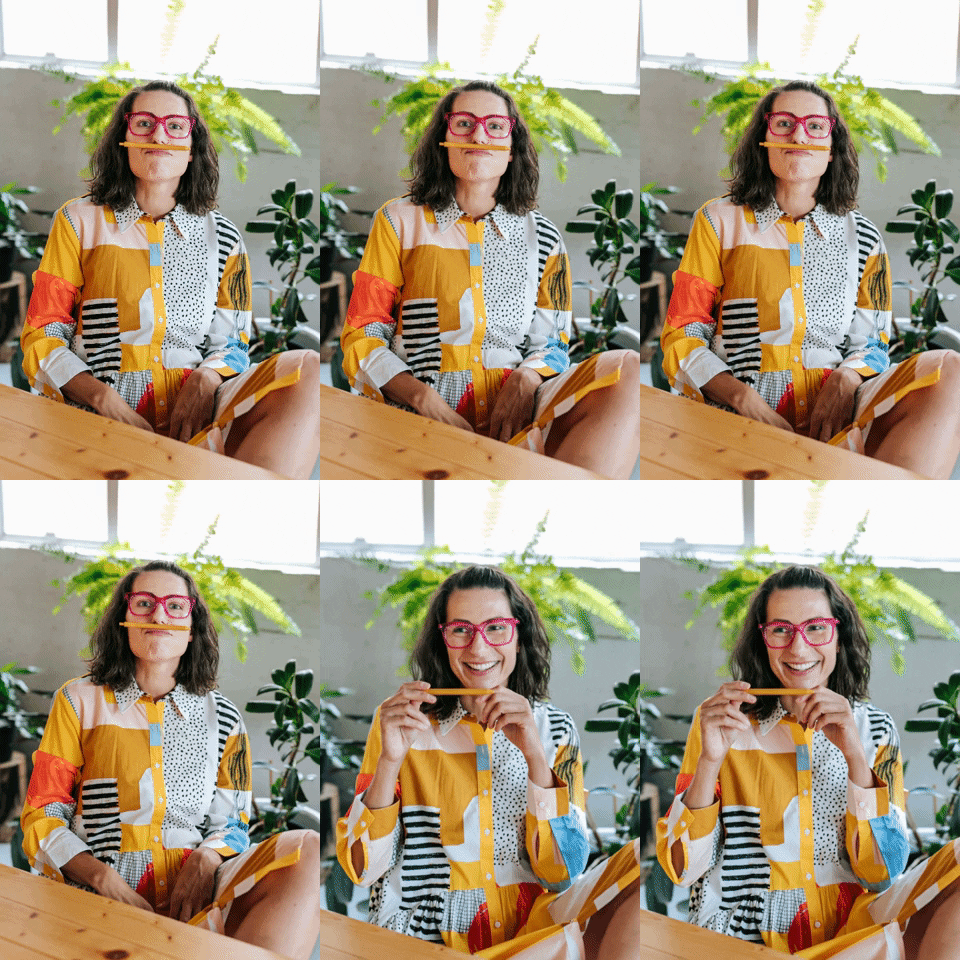
I’m joined by Xanthe Appelyard, the creative mind behind Oh Sierra and a leisure-first online leadership strategist who’s built a thriving online community while intentionally making room for life beyond her business.
We’re exploring something I’ve personally struggled with for years: how do you create content that genuinely connects with people without social media becoming another exhausting obligation?
Xanthe shares her refreshingly intentional approach to social media, including why every piece of content should have one clear engagement goal, how she uses audience reactions to guide what she creates next, and why chasing trends isn’t necessarily the best way to build a recognisable online presence.
We also go behind the scenes of her surprisingly simple content creation routines, how she captures everyday moments without documenting every second of her life, and why real community is about so much more than the number of followers on your Instagram account.
Curious about the video messaging tool Xanthe and I explore: Get 15% off the life of your Bonjoro play with my affiliate link!
What we cover:
Why posting more isn’t necessarily the answer to better social media engagement
How to build a positive feedback loop between your content and your community
Why every social media post should have one clear engagement goal
Why Xanthe treats trends as teachers rather than blueprints
How to simplify your content creation process without sacrificing creativity
The daily writing and marketing habits that help Xanthe show up consistently
Soundbites:
“But the idea is that every single piece of content has one desired engagement outcome. And that engagement outcome is just a reaction. So it’s just thinking of what reaction would be the most connected to the goal that I might have for this season of business or the goal that I might have for this piece of content, or also what reaction just might be most natural for what I’m sharing. And then if I know and can name that reaction. Then I can optimize the entire post to make sure that that’s the reaction that I get.”
“A full entire piece of toast. That is what your social platforms look like after five years. Every single post is but one crumb, right? And it’s like we’re adding up to this whole, entire thing with each individual crumb. And so stop trying to make each post do the job of the whole slice.”
More about my guest, Xanthe Appleyard:
A classic case of the neopets kid to tumblr teen to social media strategist pipeline, Xanthe supports forward-facing founders in growing invested online communities. With her expertise sitting at the intersection of engagement and aesthetic, Xanthe teaches you how to create content you’re proud to post because it looks cute, gets traction, and grows your business. She invites you to reclaim the magic of the Myspace era by blending work and play on the internet, calling in community based on who you are, not just what you sell.
Website: https://www.ohsierra.ca
Social Life Program: https://www.ohsierra.ca/social-life
Instagram: https://www.instagram.com/xanthe.appleyard
😍 Love the show?
Submit your question so I can answer it in an upcoming episode (or invite the perfect guest expert!).
Post a screenshot with your key takeaway on your IG story and tag me @candocontent and #WWTDpod so I can repost your content.
Your next steps:
Find out how you can get my strategic customer experience brain on your brand here.
Grab the FREE State of the Customer online business industry report with first-hand findings, gaps & opportunities PLUS proven strategies to boost your customer experience. Download FREE here!
Join the Retention Lab, the membership for savvy online business owners determined to grow their revenue, referrals and repeat business without more marketing. Join here!
Check out my favourite CX tools and resources here.
Episode Transcript:
Nadine (00:00)
Hey, hey, and welcome back to What Would They Do, the Customer Experience Podcast. In today’s episode, we are looking at how you build a relationship with your audience that survives when you’re not showing up consistently. If you know me, that’s one of my biggest problems. love hate relationship with social media. but yeah, who better to invite onto the show than today’s guest, Xanthe Appelyard, the woman behind Oh Sierra
And Xanthy is a leisure first online leadership strategist. She’s built a business and a thriving community around the idea that slowing down, living abroad, living your best life, and reclaiming a bit of that early internet playfulness isn’t just good for you as the founder. It also works for the people in your world. Welcome to the show, Xanthe.
xanthe (00:50)
my goodness, what an intro. Thank you so much for having me here. I’m so excited.
Nadine (00:52)
Yeah.
we were just chatting before the show. trying to piece together how I originally came across your content. I can’t quite recall. There’s a few touch points, but what really stands out when it comes to you and how you show up online is that beautiful mixture of strategy that feels effortless, but also behind the scenes, raw and uncut, and
an element of art and creativity that comes into it. So I’m super excited to chat with you today and pick your brain when it comes to how you make social media look so amazing. but yeah before we dive in, why don’t you give us a little bit of a background around who you are, how you got to where you are today and how you work with people nowadays.
xanthe (01:35)
my gosh, it’s a big question. I’m gonna try to do it. I’m gonna try to summarize it.
Nadine (01:37)
Yes.
xanthe (01:39)
Yeah. So I mean, I’ve been I’ve been owning my own business now for almost ten years. And I even prior to that was freelancing in the marketing space. My background’s in public relations. I worked with a lot of local businesses in Canada where I’m originally from, doing a lot of marketing freelancing, which eventually snowballed into starting my company with my husband. we weren’t married at the time, but
eventually did become. And and we did a lot of creative work. We were just kind of saying yes to everything, managing social accounts, photographing weddings, doing website design, brand design, whatever. but my passion was always in the social media side. And I was always committed to really like using it as my playground for self-expression because it was such a it was such a core part of my being, like even just the, you know, era that I was raised in, the relationship that I had with the online space growing up, it was such a an outlet for me.
And so I just kind of kept that up and, you know, followed the breadcrumbs of social media as it continued to grow and snowball and become what it is now today. But it was about five years ago that I started to kind of think about really committing to the marketing piece as like the whole part of what we were doing and doing a lot of done for you work at that time, which eventually has kind of transformed more into the consulting, the education side. and I do work with folks on kind of a day-to-day strategic basis of really helping people to optimize the things that they’re creating so that not only does it
you know, support their goals for their business and engage their community, but also just like feel really good to make and really not looking at social media as this sort of daunting marketing task that we have to like dread and put off and push to the side and, you know, save for the margins, but actually something that we wake up and want to do and prioritize and look at as like a very fun kind of connective element that is, you know.
created in relationship to what is true to us in the way that we want to express ourselves, the mediums we want to create in the conversations we want to be having, but then ultimately, you know, is a tool for opportunity as well. So I really do believe that content is a catalyst for getting anything that you want out of life, out of business. And so I work with folks to really sort of shape what that looks like.
Nadine (03:30)
my god, you make it so so appealing.
Maybe it’s my mind blockers around social media. I clearly, as I said, have a love-hate relationship with it. I’m clearly not strategic about it. And then when I try to play in that space, it doesn’t work because I’m not strategic about it. And then it makes me even more disgruntled. So yeah, I totally envy people like you who make it look so effortless, which I’m sure we’ll get into is definitely not just effortless.
There’s a
strategic piece behind it. you are joining me today from LA. You normally live in Barcelona at the moment. I know you’re moving around. but
you made a conscious decision to move your online presence and how you approach social media in a more, holistic way where you’re not always on and don’t have to always
show up to
make it work for you. So can you trace back to that point where you shifted your efforts and leaned into the strategy that you’re embracing in your business today? What changed in how your audience and or your clients relate to you
xanthe (04:32)
Mm-hmm. Yeah, it’s such an interesting question because I do feel like I don’t necessarily feel like there was such a a pivot point as much as I think that my relationship with my work changed a lot. And I think my content was always just like an extension of that relationship. But it was almost more like I started to look at my relationship to my business as something where I really got to make the rules in a way that I don’t feel like I was doing as much as I could have been in the early days. And I think this is very common with us when we start our own businesses where we create this, you know.
almost like utopia of like I’m I I can you know structure this however I want. But what actually usually ends up happening is we take on too much, right? And this very much happened to me when we were running our agency. We scaled beyond what we could really hold. And I found that I was like constantly just grasping for time. Like I almost when I think about how I used to create my content, it was like I was constantly looking for like an air pocket to like
you know, pop my head out and like take a gasp of air and create something and put it out there and then go back into the depths of like working on client work. And it felt always like I was reaching for this opportunity to create space for me. Like my content actually felt like it was like that one part of the day where I got to focus on my own business or focus on my own self. And it’s funny because it wasn’t about me. Like it wasn’t necessarily that I was creating a, you know, telling stories about my own life. I was always in support of other people, but there was something about that relationship and the way that it was
like
always felt like a conversation that just felt extremely nice. Like I just really liked it. I loved that relationship, that feedback of like, let me create something and share something and then see how it resonates with you. And then almost like we co-create together where the next thing comes from. And so I was just always following that thread. Like content, I will admit, never for me felt like a chore. Like I I think it’s important to recognize that because I think they’re it
I work with folks who come from that place where you’re like, I really don’t like this space. I don’t like creating content. And I completely get that and I help you, but I didn’t start there. I started from a place of like,
I’m obsessed with this, I want more time to do this. And so how can I change my business to give me more time to do this? And so, in that process, I sort of started looking at like, okay, I know that if this is really lighting me up, the way that I can tell it is in these tiny pockets of time that I’m giving it, what would it look like to actually just change the way that my entire
you know, infrastructure of my work could support me to feel this way more often and more throughout the day. So I think in terms of maybe what I would I would almost like pivot that question into is like the way that I’ve allowed it to always feel so good is by always looking at it as this co creation with the community. And so I feel
that my audience has always been able to feel that I’m tuned into what they need in the moment. So I would say the most common feedback that I have gotten for the last, you know,
I think I really have been taking content like truly, truly, like seriously pretty hardcore for probably like about six years, maybe seven years now. And the most common feedback I get is like, my God, you’re in my brain. my God, how did you know? my God, she’s listening. Like that kind of energy. And that is what I
Nadine (07:22)
Yeah.
xanthe (07:23)
really strive for and still to this day strive for. And so I think so much of that comes from feeling like I’m really paying attention, I’m really reading the room, I’m really like.
Thinking of it as almost like this dance of like what is happening in the industry? How can I be of service? How can I be of support? And really thinking of my socials as a as a resource ultimately. But I think the thing that is also important to note here is that when we have that dynamic where we’re creating and then we’re receiving this feedback, then this positive feedback loop is happening. That does fuel us to keep showing up. And
so I don’t ever discount
that feeling where people say,
Well, it’s such a drag to show up and post on socials because I’m not getting any engagement. Well, yeah, that is a drag. You’re literally screaming into the void, and that is a com constant energy out with no energy pouring in. So to me, the most important thing and almost like the thing that I protect the most and am the most mindful of when it comes to both my socials and supporting other people is that feedback loop. So it doesn’t matter how often you’re posting or how much you’re putting out or how often you’re sharing in.
even like how much time you’re spending on each individual post. It’s are you getting the feedback loop that you need to keep kind of fueling the fire so that you can stay showing up? Right. So I know I kind of took that in a different direction, but I wonder how that feels. Yeah.
Nadine (08:29)
Mm. Yeah, Dana. All good. Yeah,
yeah, that’s awesome. because yeah, for me, it certainly feels like screaming into the void and then giving up because 30 people saw it, and you give up and that’s how that consistency just disappears. But I would love to explore that feedback loop in more detail
and how you incorporate that into your content creation process. Because I know, you know, you can put a
a poll up and ask people, but I’m sure there’s more to it than that.
xanthe (08:57)
Yeah.
So it’s so funny that you say that because I actually think that the rear the very like obvious ways that we can connect with people are almost like secondary because the trust has to be built first. So for example, putting
up a poll, I actually find it quite hard, even still with a very engaged community. Like it takes, it’s taken years for me to get people to actually participate in stuff like that. And even like I share like an AMA question box every week, and it’s like it took months to get people to actually like
use it and look forward to it and
start connecting with it. And it didn’t matter how many people were in my community. Like I started that with a quite sizable audience. And even then it was like people just don’t necessarily know how to interact with those things unless they’re used to interacting with you. And so that habitual react kind of like reaction or connection, let’s say, is probably going to start somewhere else. And it’s going to start with the individual content pieces. So every single piece of content that I create, I try to think about and I will admit like
Over time, like when I’m gonna say, I know I’m gonna say this and you’re gonna be like, that’s so much effort, but over time it becomes second nature. But the idea is that every single piece of content has one desired engagement outcome. And that engagement outcome is just a reaction. So it’s just thinking of what reaction would be the most connected to like the goal that I might have for this season of business or the goal that I might have for this piece of content, or also what reaction just might be most natural for what I’m sharing. And then if I know and can name that reaction.
Then I can optimize the entire post to make sure that that’s the reaction that I get. So to just to give an example, if I create an educational carousel that’s like teaching somebody something specific, the most natural reaction when you are teaching is that they save it for later because it’s an it’s a piece that they’re like, this is a resource. I wanna hold on to this. I wanna come back to this. And so if I know that they’re going to save it for later, or most likely just given the nature of the type of content, that’s probably the reaction that I’m gonna get.
Then I would tailor as much of that to saves as I can. And tailoring things to saves, depending on the piece of content, there’s gonna be a lot of different ways that we can do that. but it would be something as explicit as saying, save this piece of content. Or it could be a little bit more subtle where we’re actually thinking about how we’re designing the individual carousels, or even making the decision: is this a carousel or a real? What’s gonna be the most helpful way for them to return to this content? So we’re making all these decisions about this one thing that we want people to do.
Whereas what I actually see happening quite a lot, especially when I hear from folks that they’re struggling with engagement, is that they’re giving too many options. So there’s a singular
Nadine (11:14)
Mm.
xanthe (11:15)
post where they could be that slide might be a shareable, that one might be a savable, you also want comments, and you’re throwing a CTA in there to buy something from you. That’s gonna give the people so much overwhelm that there’s almost like nothing happens instead of just really zooming in on like, this is the one thing that I want to see happen. And when we do this, we also get data. So then we actually know.
Did they do the thing I wanted them to do? And if not, what does that tell me about what they actually need? And so this feedback loop is is constantly happening, but we have to really approach things with this kind of like focused intentional lens in order to see what actually works and ideally receive the feedback that we want.
Nadine (11:50)
Mm. my god. So strategic.
xanthe (11:52)
Ha ha.
Nadine (11:52)
It sounds like I’ve been doing this wrong the whole time. too many calls to action. Like not really knowing what I’m optimizing my post for.
xanthe (12:01)
It’s so common.
Like it’s not, it’s and I think that it’s so important to recognize that it’s like there’s no wrong. Like who we weren’t like put on this
earth to make social media posts. You know what I mean? Like it’s not.
Nadine (12:09)
Yeah.
xanthe (12:09)
But I think the thing that’s so interesting about this, and like the thing that I find the most exciting about social media and the way that I approach it is it’s actually all about human relationship, right? So if you imagine
you’re sitting down for coffee with somebody, and actually I do this to my husband all the time. He’ll come into the room and I’ll be Are you hungry? Do you wanna eat? Do you wanna order takeout? Do you wanna sit down? Do you want a glass of water? And he’s like, babe, chill. Like
You ask me six questions. I don’t even know what you started with, right? If you come in, someone comes and say, Hey, are you hungry? They answer, Yes. Would you like to order some food? Yes. What type of food are you craving? Right. Like you have to wait for the feedback in order to proceed to the next question. Otherwise, you’re overwhelming the subject. And it’s just conversation dynamic. But online, we just kind of forget that part because it feels so separate, you know?
Nadine (12:52)
Mm. And to be honest, it feels so overwhelming too. all the options you have, you can get people to like, to comment, to save. And then you get feedback from the experts it feels like it’s evolving constantly. But at the core, what I’m reading from you is just human connection and looking through all that noise and really.
optimizing it for engagement, for two way conversation. And
xanthe (13:13)
Mm-hmm, mm-hmm.
Nadine (13:15)
yeah, not overthinking it maybe.
xanthe (13:19)
Yeah. And
I mean, I think it’s also like being conscious of like where that overthinking kind of comes from and what it is maybe that’s causing it. Because I think also a lot of it comes down to the fact that like we are ourselves quite busy and we have a lot of decisions
to make on a daily basis, and social media can add to that in a major way. So it’s like I really look at simplification. Like if you think I think I think there’s a perception, maybe, you know, obviously having been in the world and being very consistent for a very long time, like that there’s a bit of like a prolificness to the way that I
share.
But if you actually like were to sit back and like study it, it’s like quite simplified. Like I really do like rinse and repeat the same templates. I use the same kind of cadence in the way that I write. Like I’ve really tried to make it as streamlined as possible so that I can just get the value out in the mediums and sort of structures that support my creativity best without adding a bunch of other shit to the mix. And that’s I think the thing that you
named there, which is like we see so much noise of like, this is now working, or you need this text, or you need to do this way. And it’s like,
I’ve been in this game long enough to know that like that will evaporate, like that that will be a thing for now and eventually it will go away and there’ll be new thing.
And you can always play if you feel like you have the capacity to play. But if you don’t have the capacity, then you have to put the blinders on because otherwise you’re just gonna freeze, right?
Nadine (14:29)
Yeah. as we’re recording this, there’s the fourth round of the Yap Challenge and things like that. And then,
xanthe (14:33)
Yeah.
Nadine (14:34)
there’s so much noise and things you should be doing that
it just feels like this huge chore, which is why I’m just going, I can’t do this. I’m sure there’s so much potential on social media. but yeah. Do you jump on trends?
xanthe (14:47)
I would say, like, yeah, I don’t jump on trends in the sense of like, you know, a trending audio. Here and there might be a a hook that comes around that I’m like, that could be
Nadine (14:54)
Yeah.
xanthe (14:55)
fun to participate in. I think like it’s probably like a couple times a year, maybe. Like it’s quite rare. I would say like where I do follow trends is more so like in the trending topics and conversations. Like I think being
a participant in the culture of what’s happening online, in the zeitgeist, maybe
Bringing in some pop culture, you know, weaving in some terminology that people are going to recognize. Like that’s where I feel like it is actually very important to be on the pulse. So it’s picking and choosing the way that I look at it, and this is my favorite little like, it’s like my own personal affirmation around it, is that like trends are teachers. They’re not blueprints. So I pay attention to the trends because I want to know why people are latching on to certain things. And that then helps me to create content in relationship to what people are actually grasping for without having to hop on the trend.
So that’s where I
think we can really use trends to our advantage without feeling like we have to, I think what happens a lot sacrificing our own identity to fit into a trend, right?
Nadine (15:49)
Yeah. And there’s a lot of copying going on,
It’s just I’m like where is the creativity and
xanthe (15:52)
Yeah.
Nadine (15:54)
the unique point of view.
xanthe (15:56)
Yes, yes. And I think
as of late, especially the trend fatigue, I I noticed they catch on more quickly. And I noticed that the algorithm also like almost like pushes them with this massive, massive influx of like every
single post you will see now because you like liked that one post is gonna have the same hook. And it wasn’t like that a few years ago. So in that sense, I think that I am also getting a bit like more icked by trends than I would have maybe a while back because I’d be like, this
Nadine (16:18)
Yeah.
xanthe (16:19)
is cute, I’ll hop on it. But now I’m like, no, I’ve literally within twenty four hours, like I never wanna see this again, you know.
Nadine (16:23)
And Instagram is just pushing more of the same. The problem is school holidays, we were chatting. my kids are just on school holidays, and my seven-year-old has been using my device to look at all these AI-generated awful reels. So now that’s my life,
xanthe (16:37)
yeah, the good thing
I will say is the algorithm is so sensitive that it gets retrained very quickly as well. So as soon as you
Nadine (16:42)
Yeah.
xanthe (16:43)
you I remember I was I was with a friend and we were I we were looking something up that was so funny. I can’t remember what it was, but I remember going back on there and being like, my God, no, no, no, no, no. And like within a couple of hours I had like got it back to baseline.
Nadine (16:54)
it’s terrible. So I’m like, I just need to retrain, to remove all the AI slob.
xanthe (16:57)
Yep.
Nadine (16:59)
yeah, I love your somewhat, simple, but analytical approach to social. Do you have any systems or automations in the background that make processing like your beautiful content somewhat repurposeable or repeatable?
xanthe (17:15)
I mean like me, I’m
Nadine (17:17)
Ha
xanthe (17:16)
the system.
yeah, I would say like the things that I would definitely lean on the most are like I have my my carousels that I’ve designed, like I have
a pretty steady flow of those that I kind of like I’ll play around with and and tweak a little bit, but they’re a pretty consistent style. I have a pretty consistent way of creating. I don’t mess with the fonts, I don’t mess with the colors, like everything’s quite streamlined in that sense. And but in terms of like, yeah, no repurposing automations, not really. Like I do a lot
Nadine (17:41)
Yeah.
xanthe (17:41)
manually.
I use Notion for most of my content planning, kind of like the actual mapping of things. And, you know, obviously if I’m sending out a sales email, there may be some of that email that ends up on a carousel, but it’s not, there’s no rule to it. I I I
go a bit ad hoc with that. And I would say that the main thing though is I have a very I have a very, very clear and consistent system for how I show up to my content practice. So I actually look at it kind of that way, as if it is more like a practice. And so every
day.
Day between let’s say Monday to Thursday. I have a four-day work week generally speaking. between Monday to Thursday, I would do a morning sort of like writing session where I would just write whatever is coming down the pipe. So I look at like what’s happening on my calendar and I just write as much as I have space to write, which sometimes it’s 15 minutes, sometimes it’s an hour. Really just depends on the day and the flow and you know where I’m at in my cycle, like, you know, all those things.
Nadine (18:32)
Yeah.
xanthe (18:32)
and so
I’ll get done, you know, whatever I can in that in that time. And then usually I’ll take a little break, take the dogs for a walk, and I come back and I do what I call my marketing shift. And that’s where I actually put things into their sort of like publishable state. So I would actually move the copy into an email. I would design my graphics. I would edit my videos. Maybe I would even film some content around that time. but I do that with consistency every single day. It’s not always the same time every day. Sorry, it’s not always the same amount of time every day, but it is always the first thing.
thing that I do before I engage in anything else in my business. And I really believe that that alone is like the that’s the game changer. Like as soon as it slips,
I’m like, I see. I remember this feeling. You know what I mean? Like, so it’s really interesting because it’s just like that anchor is so critical for my process. And it is sounds
like I think I think we’re always looking for something that we can like
outsource, you know what I mean? But it’s like really
Nadine (19:26)
Yeah.
xanthe (19:26)
it just comes down to like that little tiny bit of like claiming of space for yourself. And it can make such a difference, even if it’s ten minutes, you know.
Nadine (19:34)
Mm. Yeah, it’s those habits, isn’t it?
talking about habits, how do you make space in your day to create all this beautiful b roll and footage? how do
you consciously remember to take footage, take photos.
xanthe (19:49)
Yeah. Yeah. I play around with a couple of different things. So I would say on a daily basis, there’s probably like three or four things that I almost take a picture of every single day. Like I always take a selfie, me or selfie. I almost always take a just like a normal selfie in the nice window light. often I’ll take a video of myself walking the dogs. Often I would take a picture of my cottage cheese lunch snack plate. Like they’re almost like just these little anchor moments. And that helps me to
Nadine (20:12)
Yeah.
xanthe (20:12)
like not only kind of just post thro stories throughout the day, but usually then I I will use that content later.
for my carousel backdrops and things like that. But when it comes to actual like filming and things that are a little bit more maybe that there does require to be a little bit more foresight or a little bit more styling, then I will take that time out of my week to like plan for that. So I will have, you know, a shoot weekend, for example, or maybe a shoot day where I know like within this timeframe, I do actually want this to be content is a priority.
And I think that’s actually so important, especially as someone who travels quite a lot, is to know whether or not today’s a content day or not. Because some days it’s not. And it has to be. Like you can’t always be on a hundred percent of the time or else you feel frantic, right? and
it doesn’t do service to the people that you’re spending time with. Like my husband is not trying to be a content creator. Like he doesn’t need to be in every video. So sometimes we’ll actually have to kind of have that conversation of like, you know, we’re going out for the afternoon on a Saturday, like I’m getting content. So like you can come and
participate or you know, if you feel like that’s gonna be annoying, I’ll just go out and do it on my own. But then there’s might maybe a day where he says, hey, you know, let’s go for drinks. I’d really like that it’s not a content time. And that’s okay too. You know, so it’s kind of having
those boundaries. And so I do approach it with intentionality, but I also sort of have this system that’s just almost become more second nature that’s more just like flowing, which kind of helps me to make sure that there’s still things I can use if I don’t necessarily have a content shoot.
I don’t do that weekly
Nadine (21:31)
Yeah.
xanthe (21:32)
by any means. Like it’s every couple of weeks I would say that I would
Nadine (21:34)
Yeah.
xanthe (21:34)
actually really think about it and like plan for it. But otherwise it’s just sort of happening a little bit, you know, here and there
Nadine (21:39)
Do you repurpose any of your footage or photography? it’s literally like this just happened.
xanthe (21:45)
Yeah, for sure. Yeah, I mean, most of it is is
very like of the moment in the sense that like, you know, I l I like that’s not like personal preference. Like I prefer for it to be quite like, you know, recent in the sense of I have the same haircut, for example. Like there’s certain things that get under my like I would never post a
Nadine (22:00)
Yeah, yeah, yeah.
xanthe (22:03)
picture of myself that doesn’t look like how I look like right now. And like, you know, I moved apartments, for example, and now I like can’t post my old apartment. Like that’s that’s
dead and gone to me. But at the same time, like
Will I post something, let’s say, in a carousel that I took maybe three or four weeks ago and I maybe posted a different photo from that same day on another carousel? Yeah, a hundred percent. Like I’ve no issue with that at all. And even video wise too. Like I think it’s nice to have kind of a bank of content that you can then, you know, maybe bring back into the mix later if you want to do a compilation style or something like that. So
I kind of have like a mental shelf life on things, but I don’t repeating is not a concern.
Nadine (22:36)
Plus your audience, wouldn’t go this cottage cheese sandwich featured two weeks ago.
xanthe (22:40)
I mean, you never know. People are sharp.
But I I do put like I would say like my stories for sure are happening in the day of, and then usually
Nadine (22:47)
Yeah.
xanthe (22:47)
that stories content gets reused like a you know, in other ways as well. So there’s a bit of that
Nadine (22:52)
Yeah.
xanthe (22:52)
crossover, but yeah.
Nadine (22:54)
Hmm. Yeah, I feel like I have to shift my thinking around my day being too boring to document. Cause you know, working at home, I’ve
xanthe (23:00)
Yes. my gosh, for sure.
Nadine (23:02)
got Mum Live, three kids, like there’s school drop off in my office, picking up, there’s kids sport Where are the things that people are actually interested in? But I’m sure there are those moments.
xanthe (23:11)
Well, I think
Yeah, and I think also like we need to take less pressure on this idea that like we have to show a cool life and we can just like be a cool person. Do you know what I mean?
Nadine (23:20)
yeah.
xanthe (23:20)
Like you have good opinions, you have good thoughts, you have good things going through your mind, like interesting things, like perspectives. Like it doesn’t always have to be like look at me doing the coolest thing. It can just be like me
sitting in my office and I’m I’m thinking about something
Nadine (23:32)
Yeah.
xanthe (23:32)
that’s of interest or
I just saw something that was cool or I just read something that was interesting. Like it doesn’t always have to be what’s happening right in front of you. But I know I can see like your your your life is vibey. Like you have a very like streamlined
Nadine (23:43)
Ha ha
xanthe (23:44)
brand happening, even just like in this visual that I can see you here on this video. So I feel like it’s also just remembering that like our surroundings are familiar to us, but not other people. Like even I
Nadine (23:53)
Yeah.
xanthe (23:53)
feel like often, you know, I’ll be I have I have to get the pep talks too. Like I’m like, my life is like I’m like I’m sick of it, like whatever. And my friends are like, No, no, no, like it’s still
Don’t worry, like it’s still cool. Like you can continue, you know? But it’s like we just get tired
Nadine (24:05)
Keep going.
xanthe (24:06)
of it. We just like, we just it everybody feels that way. And I think it’s so helpful to remember that. Like we are comparing ourselves to other people for no reason. Like, no reason. Nobody
has it all completely figured out, completely made, completely confident 100% of the time. So all we can do is control how we feel in the moment and like choose what we want to like feel. I think it’s a it’s a it is a bit of a romanticization, right? And I think what I love is like embrace the things that maybe feel
like outliers. So for me, there’s certain elements where like I I genuinely, generally keep a pretty tidy home, which is also not my doing this. My husband, he’s very tidy. I actually am very chaotic and I have a lot of little messy piles that kind of crop up. And I’ll like, if I feel like my house is a disaster, it doesn’t hold me back from posting. It gives me a new conversation, which is like, lol, we’re in the messy season now. Here’s what’s going on. Look at this
kind of like, you know, it’s almost like people like to see both.
And so if it doesn’t feel 100% like polished, perfect, consistent, it’s almost like can that inconsistency also be part of the brand? You know what I’m
saying?
Nadine (25:03)
Again, taking pressure off, right? Imperfect is fine. Maybe
xanthe (25:05)
Mm-hmm, mm-hmm.
Nadine (25:06)
people resonate more with imperfect nowadays too, right? Mmm.
xanthe (25:08)
They do every time. They do. They totally
do. Yeah. And it’s so interesting, even just like being an online person. Like I once asked, I was part of a mastermind group and I asked them, you know, what do you think is like missing from my content? And they were like, Well, I just don’t really relate that much to your content because it’s so polished and everything looks so clean. And I was like, That’s wild to me because I’m living
this life that feels like such a disaster all the time. And so it really illuminated that, like, wow, there is a part of the story that I’m not even showing it. I don’t even notice that.
Because I’m just like living in it,
Nadine (25:35)
Yeah, yeah.
xanthe (25:35)
you know, like I see my life in the 360. But when you zoom out and realize like what are other people actually seeing and what story might they be getting that’s actually not true, that you can then sort
of change. So that I, you know, ever since that I’ve been making such a concerted effort to make sure that the whole picture is there. And it totally makes a difference with regards to connection and just feeling like, you know, folks can
Nadine (25:54)
Yeah.
xanthe (25:55)
feel more seen.
Nadine (25:56)
in your case too, people probably idolise that. nomad life, living overseas, living through you like they’re in Spain, having tapas at lunch. my God. Wouldn’t that be
xanthe (26:05)
Si.
Nadine (26:06)
nice? on topic, so you’ve lived in various places for various years. So has living in different places, different countries changed your perception of
what community means.
how has that influenced your take on community?
xanthe (26:22)
Yeah, I mean it’s so interesting because I think that what I notice a lot is that there’s almost like a glamorization of online community as if like having a community online is the marker of success, right? Like the more followers you have,
the better, the better. Period. Right. but
Nadine (26:36)
Yeah.
xanthe (26:37)
what I actually know to be true having moved around so much, and also it’s interesting because when I I started moving around when I was 30. And up until then, I was like essentially like living in a small
Very, very tight-knit community. It’s not technically a small town, but like that’s the vibe. Like everyone knew everyone. I couldn’t leave my house without seeing someone I knew, couldn’t go to a restaurant without bumping to someone I worked with. Like you knew people and everyone knew each other, and there was always a new opportunity coming your way. There was always someone saying your name in a room. You know, it’s like my mom’s referring me to someone that she works with or whatever. The
community was so tight-knit and it was so easy to feel recognized. It was so it was truly honestly quite easy to get work. Like there was a lot of really cool benefits to this like localized community.
And I think that we kind of miss that when we focus so much on the online. And so what I’ve noticed having almost it was almost like I had this moment where I moved away from that local community and I only had my online community. And then I had to really like soul search, which was like, wait, wait, wait, like this actually isn’t enough. Like just having the online community is never going to be, it’s never going to replace that. And it’s actually not truly scaling that.
But we can choose to make it so that we do scale that localized community feeling by actually taking those relationships and making them in person, like making them real. And so
what I’ve been able to do and what I feel so grateful to have been able to do is like everywhere I go, pretty much, I know people that I can go out for coffee or go out for a drink with or go to an event with. And like this idea of having an online community that is global makes the actual practice of living a bit of a global lifestyle.
so much more comfortable and it’s so quick and easy to kind of feel rooted in some way. And it takes effort, right? And you can move to a place and feel extremely lonely, which I have for many years in many different
places, until you start realizing like actually what I need isn’t the internet. What I need is the internet maybe can help me get what I need, which is a local community. So it’s finding that way to like create the network in person that you can reach out and touch. And the internet has allowed me to do that in many different places around the world.
But I would definitely say that if anything, it’s like the moving around into different places, the perspective on community that has shifted is this idea that like community is tangible, like the internet is not enough, you know, it’s not
enough alone without that next step.
Nadine (28:48)
Absolutely. And community, as you said, followers and having a hundred and fifty K people
in community.
xanthe (28:53)
Mm-hmm.
Nadine (28:54)
It doesn’t equal actual conversations and people engaging with you. So yeah,
xanthe (28:59)
Yeah. Yeah.
Nadine (29:00)
I couldn’t agree more. I personally feel drawn to in person as well. Dunno, not necessarily since COVID, but more like since AI’s come on the scene.
xanthe (29:10)
I think recent, it feels that way, right? It feels like the last like year or so, it’s like there’s been this
shift back where we’re kind of realizing like the internet is not is not I don’t know. I yeah, it’s funny that you say that. Cause yeah, I think I think the AI of it is too maybe it’s because we know that there’s so much that we kind of rub up against online that may not actually be human that we
crave this idea of like, I need proof that you are real right in front of me, kind of thing. Yeah.
Nadine (29:31)
Yeah.
Yeah, no, I’m definitely in person. Give me all the in-person and face
to face. Australia makes it a bit hard sometimes with most of my connections being in the US, but at least, something like this, Zoom or face to face is still better
xanthe (29:44)
Yeah.
Nadine (29:45)
than just this vanity metric on on socials.
xanthe (29:49)
I’ve heard amazing things about the Australian sort of entrepreneurial s community too. I feel like there is like you
know, although it’s like you’re far from other people, there is like opportunities
Nadine (29:57)
Yeah.
xanthe (29:58)
there too. Do you find that?
Nadine (29:59)
Yeah, absolutely. There’s definitely our staple community, There’s also plenty of newbies, but it’s it’s always nice to meet someone, someone locally. I’ve got my my business buddies in Sydney
we just go, I found this in-person thing, you wanna come? So it’s it’s nice to to get to hang in person.
xanthe (30:15)
That’s really good. Mm-hmm.
Nadine (30:17)
Amazing. I feel like people listening to the show are gonna go, I wanna do what Xanthe’s doing.
xanthe (30:24)
Yeah.
Nadine (30:24)
if you have any tip for listeners to make your approach that makes it look so easy, somewhat more doable in their own business. where would you recommend people start if they want to make social media more fun for them and incorporate it into their everyday life?
xanthe (30:40)
Mm, okay. Great question. Well, what
Nadine (30:42)
Big question.
xanthe (30:45)
I would do is I would really, really start with just being so honest about what do you want to give to your socials right now? Or what do you have to give to your socials right now? So if you say, I want to give my socials an hour week, and if that is what you have to give, amazing. What can you actually genuinely do in an hour? Can you do one reel? Can you do one carousel? Can you do half of one? And then you do every other week you post something, right? Like
Be really, really radically real with yourself about how much you have to give and how much you can actually do with that time. And then claim the system to get you there. So claim the marketing shift. Start doing a marketing shift. So you need to do your express incession. That’s the writing piece. And I I am a firm believer that writing comes first. So writing is the root of all socials. Like not looking at that thing looks cute. I want to create something that looks like that. Start with here’s what I want to say. And then start distur determining kind of how you want it to look after you’ve already said what you needed to say.
but then implement the marketing shift and do as many as you need to get the post done. So let’s say you have one post that you want to do a week and it takes you a 10 minute marketing shift on Monday, on Tuesday, on Wednesday, on Thursday, and then finally by Friday it’s done and you can get it out. That’s amazing. Like you were present with your socials, you committed, you got it out the door. We need to build that muscle of like, I can make a decision about what I want to create, I can create it, I can claim the time to create it, and I can get it out there. And when you’re creating in that focused way, of course, if you want to do more, do more. Amazing, right?
But when you’re creating in that focused way, you’re also able to think a little bit more intentionally about like, okay, what do I actually want to give to this? What do I want people to get out of it? And not to do that from this place of like a lot of pressure. Cause I do think that that sometimes happens where people feel like, well, if I’m only doing one post a week, it has to do everything for me. And it’s like, no, no, no, it doesn’t. Like social media is a long game. Like if we’re posting once a week, that’s still a lot of posts in a year. And that’s still a lot of posts in five years. You know what
I mean? So I think we also have to just look at it as like every piece is just a small, it’s a little like,
It’s a little this is such a bad metaphor, but I said it once to a friend and she was like, That made so much sense. So I’m gonna say it and maybe you’ll get it too. But it’s like you imagine like the piece of toast, right? A full entire piece of toast. That is what your social platforms look like after five years. Every single post is but one crumb,
right? And it’s like we’re adding
up to this whole, we’re adding up to this entire thing with each individual crumb. And so stop trying to make each post do the job of the whole slice. You know what I’m saying?
Nadine (33:00)
Mm.
It does make sense. The toast. Take the pressure off. You’re looking at one crumb. Let’s do the next crumb. A next crumb. Yeah. yeah.
xanthe (33:03)
Yeah. Visuals. One crumb. Yeah. Yeah. Yeah. And and getting
through it that way, right? I think this is the other thing is we look at it as this massive thing where we say, I’ve got to create 30 posts this month.
And then we look at that and it’s like a monster and we’re like, God. But instead of saying this week I’m committing to one, this is that post, get it done. Next week, one, that post, get it done. I don’t plan my posts more than a week in advance. Never. Because
it’s just a recipe for disaster.
I know this
Nadine (33:29)
Yeah.
xanthe (33:30)
week I can do three. Let’s see. Let’s get it done. Next week we’ll reevaluate. You know what I mean? So one step at a time is very key.
Nadine (33:36)
Yeah, well that’s comforting to hear that you’re not even planning ahead. So yeah, maybe it is doable. well, you’ve certainly made me look at social media in a different light. Maybe I do need to give it another go. We’ll see. Yes, I will. I’ll
xanthe (33:49)
Let me know. I’m excited to see. I’m excited to see.
Nadine (33:53)
pick my first breadcrumb after this episode. How about that? Lock it in. Yes.
xanthe (33:55)
Mm-hmm. Yes. I love it. I love
Nadine (34:00)
Let’s do it.
xanthe (34:00)
it.
Nadine (34:01)
one question I ask all my guests is what you in your business are currently wondering, struggling with, curious about when it comes to your own customer experience.
xanthe (34:14)
Ooh, yeah, I know. I mean, I think that’s such a it’s such a pleasure to be able to pick your brain on this, to be honest. I feel like in the sense of I am a very I mean, you could probably hear this from this whole conversation is I’m a very manual girl.
And I’ve really have tried to implement automations for, for example, like membership renewals or funnels from freebies and things like that. And I just feel like because I do write things with such like a active like
This is what’s happening right now. This is what I’m going through right now. And I’ve seen and gotten so much evidence that that resonates that I find it very difficult to automate any part of the customer experience. And I actually do see a decline in return whenever I do. And yet also I
would like to not have to do everything by hand for the rest of my life. Or maybe I just have to accept that. And that’s also okay. But I’m I’m curious your thoughts on that.
Nadine (34:58)
Yeah. I wholeheartedly believe human touches always rule, but obviously depending on how many people you deal with in your communities, that’s not always feasible, so I would have a look at things that if you systemize them, don’t impact
the effect it has on your customers. so usually I start with that, you know, like impact on you, your time, your headspace, like how much time does it free up? how does it impact the customer? If the customer doesn’t miss hearing from me that
Their renewal is due, for example. can we just schedule that in? It takes one thing off
xanthe (35:33)
Mm-hmm.
Nadine (35:33)
and it doesn’t make a difference to your customer. Chances are they are going to renew and then really amplify those touch points
xanthe (35:40)
Mm-hmm.
Nadine (35:41)
it does make all the difference. For example, in my community, I have an onboarding experience that is
Probably 95% automated, based on signals people are sending me, what’s happening, what they’re doing, or not doing. But there are instances where I send personal video messages, for example. So if someone joins, that first welcome shouldn’t come via an email. I actually want to send them a message telling them how excited I am. there are
checkpoints, for example, like milestones, if they’ve been in the community for six months. Again, I don’t think an email that goes, my God, it’s been six months, does things justice. So there’s surprise and delight moments where I show up. There is even in the sales process, if you can track engagements with your content, with your email in the lead up and identify those hot leads. I love a good personal message to
xanthe (36:30)
Mm.
Nadine (36:31)
So have a look, obviously what feels good for you, but what
doesn’t negatively impact the customer experience because your customers won’t miss it and how much that frees up for you. Hmm.
xanthe (36:41)
Yeah, wait, you just gave me so many good ideas. I’m like, that’s so fun
to do that. No, I love it. I love it. Wait, can I ask a follow-up?
Nadine (36:48)
Yes.
xanthe (36:50)
Cause okay, so yes, with the membership, that all that
all tracks. And I’m like, I love that. Where I think we actually have had a bit of like we’ve never been able to nail, for example, I sell social media templates, like carousel
templates. And so ideal situation is like
we are having people kind of move through a funnel and find them through Pinterest or kind of like external avenues and that kind of thing. And it we haven’t
Nadine (37:09)
Yeah.
xanthe (37:10)
necessarily touched that at length to to have enough data to say it works, doesn’t work, but that’s the direction that we’re going.
I’m very curious to see. But I wonder like if you, if you kind of if I was to say, that’s an initiative that we’re pursuing, like is there something that you would say, make sure this is a part of that?
Nadine (37:25)
how much are the templates? Like at the moment?
xanthe (37:27)
They range from like one fifty
to three seventy seven, depending on what kind of collection
you get. So it’s like a pretty like it’s a h I would say it’s like on the higher side for a template investment. Mm-hmm.
Nadine (37:35)
Yeah. So
again, if I mean one fifty, you know, if someone converts or three fifty, is
it worth you potentially tracking in that funnel? who
is clicking, checking out things several times?
you could totally check in via video.
xanthe (37:55)
Mm-hmm, mm-hmm.
Nadine (37:55)
Like a quick,
you know, like off the cuff. I I totally do them unscripted as I’m out. I use Bongioro. I don’t know whether you’ve heard of Bonjoro Yeah,
xanthe (38:03)
No, I have not.
Nadine (38:05)
so it’s like this tool that makes it super easy. So you can set up automations where if someone, meets that criteria, let’s say they’ve clicked on the sales page four times, they’re in the funnel, they haven’t bought for whatever reason, it can push a notification to your mobile.
into the app telling you, someone’s super hot. And then that means if you’re out, you got 10 minutes, you can just tell them, like a little birdie tells me you’re interested. I’m here for questions. Let me know what you need to hear from me to work out either way whether this is the right fit. So you can automate all that, which again, you know, if there’s 350 bucks up for grabs, someone’s clicked four times,
xanthe (38:41)
Yeah, that’s so crazy.
Nadine (38:43)
they haven’t bought clearly there’s something
So hmm.
xanthe (38:46)
That’s so interesting. Wow. Didn’t even know that existed, to be honest. So that’s fascinating. Mm-hmm. So cool.
Nadine (38:49)
Yes, have a look. Bonjoro Yeah. It is one of my favorite
tools and like I’m on a pay plan, but the investment, you land, one client, you make like let’s say 350
xanthe (38:58)
Sure, yeah.
Nadine (39:00)
US dollars, that pays for your whole yearly subscription to the tool.
it’s one of my secret secret little weapons. Mmm. anytime. Yes. So there’s yeah, little
xanthe (39:06)
Wow. Well thank you so much for sharing it with me. I’m so grateful. So fun. Perfect.
Nadine (39:12)
automations that make all the sense, but I’m totally with you, like automating for the sense of
automating. yeah,
xanthe (39:18)
Yeah.
Nadine (39:18)
not a fan. Anyway, this was so good. Thank you so much for coming
xanthe (39:20)
So cool. So good. Thank you.
Nadine (39:24)
on the show, Xanthe. before we wrap up, let people know where they can connect with you, where they can find you, and follow you on Instagram.
Step number one.
xanthe (39:31)
Yes, of course. Yes, yeah. Instagram
is where everything is happening. It’s Instagram. I mean, my handle is at xanthi.aplyard. And yeah, everything that I do ha anything I’m doing is happening there. Anything I’m selling, anything I’m talking about, anything I’m excited about, you’ll see there. reach out and send me a DM if you listened to the to the convo today. I definitely would love just to, yeah, be able to connect and just hear, you know, that this is how you found me or whatever. It’d be super cool to say hi. I answer all my DMs. I’m very active in that way with my community and everything. So just say hi.
and otherwise, my social life membership is my kind of like always open opportunity to work with me in a very like intimate strategic capacity. So we work together day to day, optimizing posts, coming up with content ideas. We get together every month on a culture call where we all talk about kind of like what’s going on in the zeitgeist and how we can, you know, put that into our content. We do co-working. So that’s definitely the offer that I would invite you into as a kind of a first step to really just get going and start taking action. So
Nadine (40:25)
Yeah.
xanthe (40:26)
yeah, I’m sure all the links will be available in the show notes for all that.
Nadine (40:28)
Yes.
I’ll link it all up. So good. Amazing. thank you, Xanthe. love the convo. And you listeners, thank you so much for tuning in. I will be back in your Airpods next week.
xanthe (40:41)
Thank you for having me.